
Artemis IV
First Crewed Lunar Landing Since 1972
55 years after the last bootprint. Two astronauts descend to the South Pole aboard Starship HLS — and humanity begins its return to stay.
Background: Shackleton Crater, lunar South Pole · NASA/LROC
Landing site
Lunar South Pole region
Surface stay
~7 days
Crew on surface
2 astronauts
Lander
SpaceX Starship HLS
Target crater
Near Shackleton Crater
Key science goal
Polar water-ice samples
Why This Mission Matters
Four Historic Milestones
Artemis IV achieves things no mission has ever done — in a single 7-day surface stay.
First humans on the Moon since December 1972
Gene Cernan and Harrison Schmitt of Apollo 17 were the last humans to walk on the Moon on December 14, 1972. Artemis IV ends a 55+ year gap. The first bootprint will be at the lunar South Pole — a region Apollo never reached.
A woman walks on the Moon for the first time
The Artemis program is committed to landing the first woman on the Moon. NASA has not yet named the Artemis IV crew, but the mission architecture includes at least one female astronaut descending to the surface — one of the defining milestones of the program.
First landing at the lunar South Pole
All six Apollo landings (1969–1972) were near the equatorial regions. Artemis IV targets the South Pole, where permanently shadowed craters may contain billions of tons of water ice — potentially the most important resource in the solar system for long-duration human presence.
First polar water ice samples returned to Earth
The crew will collect samples from the regolith at the edge of Shackleton Crater — a permanently shadowed region where water ice is thought to exist in the soil. These samples would confirm the presence and concentration of accessible water ice, the foundation of the Moon Base's sustainability.
Landing Systems
The Landers
Two commercial landers are part of the Artemis IV architecture.
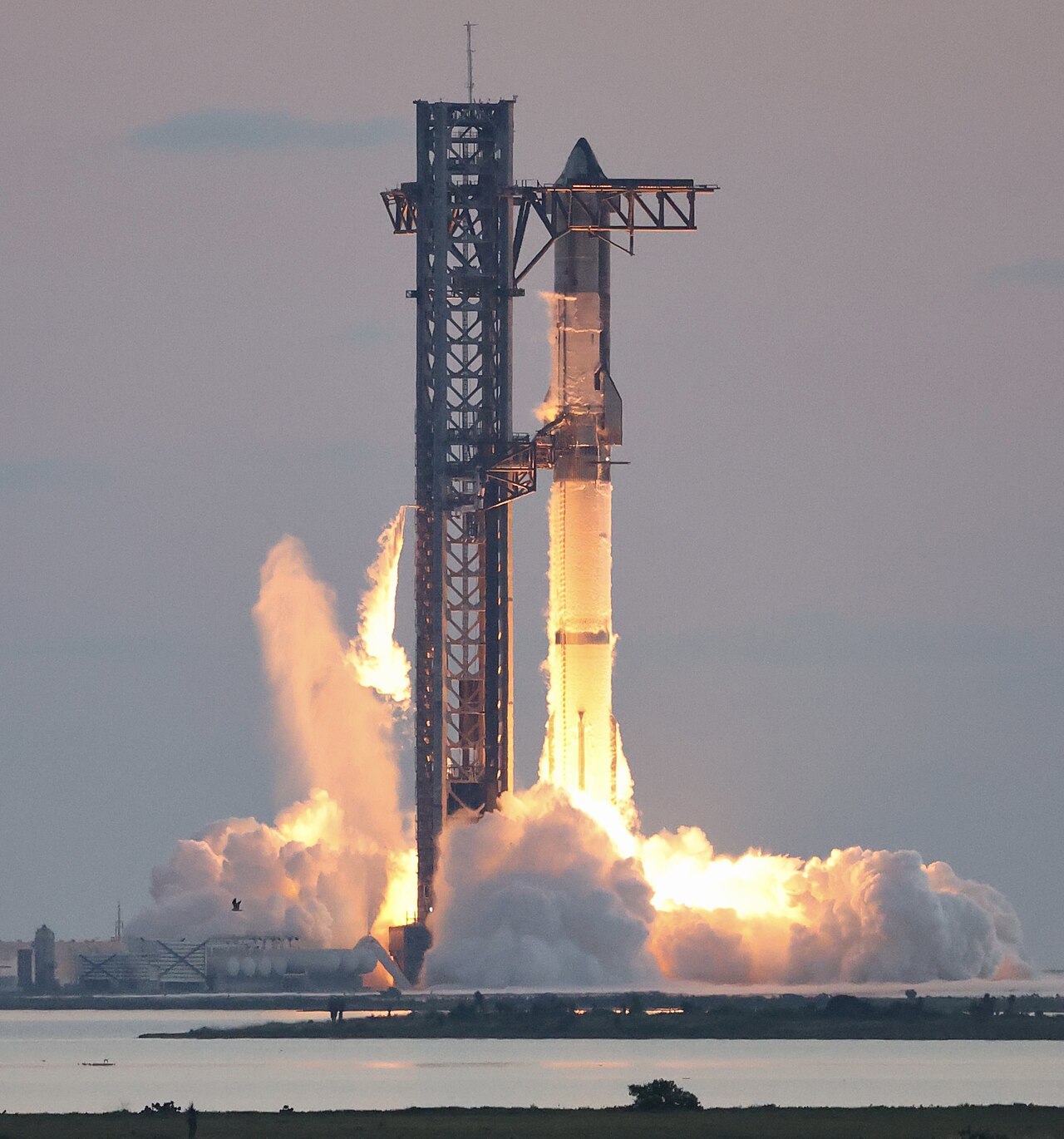
Primary Crew Lander
SpaceX Starship HLS
NASA's primary lander for Artemis IV. Starship HLS is a modified version of SpaceX's Starship megarocket. It is launched separately, refueled in LEO, and pre-positioned in lunar orbit before Orion arrives with crew. The crew transfers from Orion to Starship HLS, descends to the surface, conducts surface operations, then ascends back to Orion.
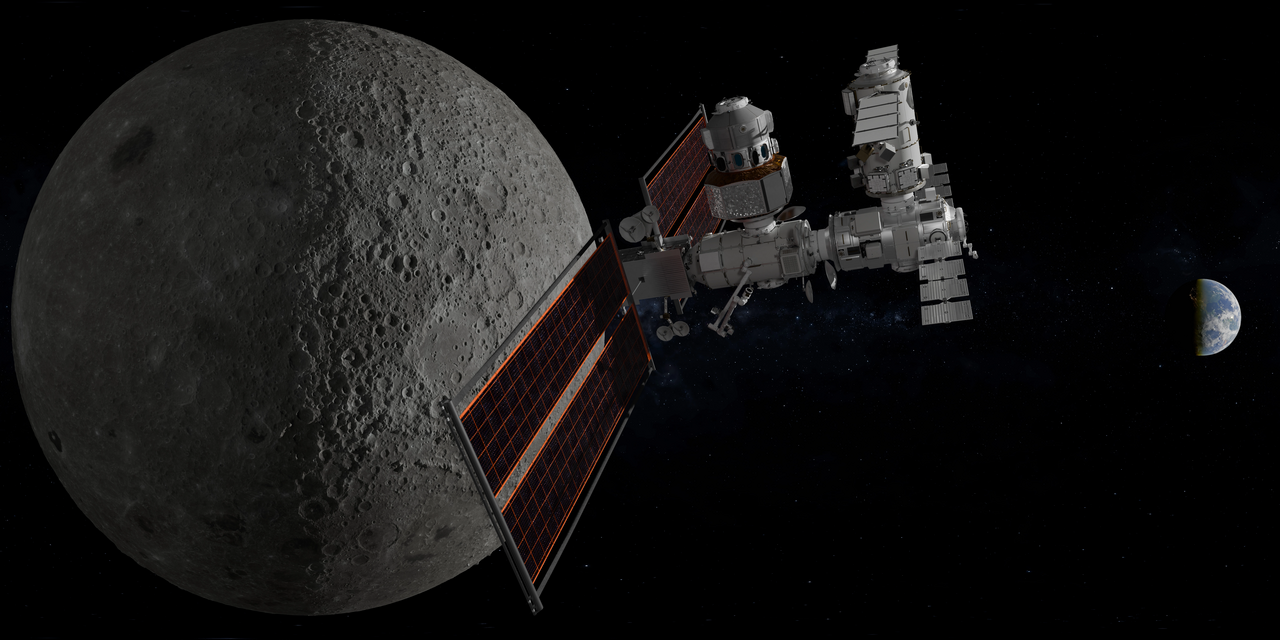
Backup / Future Lander (On Orbit)
Blue Origin Blue Moon
Blue Origin's Blue Moon lander will also be on orbit during Artemis IV, representing NASA's second commercial lander contract. Blue Moon is not planned to carry crew on Artemis IV but its presence validates the second lander architecture and creates redundancy for future missions.
The Landing Site
Why the South Pole
The most strategically important location in the solar system for human expansion.
Why the South Pole?
The lunar South Pole is the most scientifically and strategically valuable location on the Moon. Permanently shadowed crater floors may contain water ice deposited by comets and asteroids over billions of years. Water ice can be converted to drinking water, oxygen to breathe, and hydrogen for rocket fuel — making the South Pole the key to a sustainable, long-term human presence on the Moon and the logical staging point for Mars.
What is Shackleton Crater?
Shackleton Crater is a 21-km-wide impact crater centered almost exactly on the lunar South Pole. Its floor is in permanent shadow and never receives sunlight — making it one of the coldest places in the solar system (~-173°C). Its rim, however, receives near-constant sunlight — ideal for solar power. The crater rim area is considered the prime landing site for Artemis IV and the future Moon Base.
What does a 7-day South Pole stay look like?
The two surface crew members will live inside the Starship HLS habitat module during their stay. Each day includes planned EVAs (spacewalks) of 4–6 hours to collect samples, deploy instruments, and scout the terrain. The near-constant sunlight on the crater rim keeps batteries charged. Communication with Earth has only a 1.3-second delay, far shorter than future Mars missions.
The last time a human
walked on the Moon was 1972
On December 14, 1972, Gene Cernan climbed the ladder of Apollo 17's lunar module and said: "We leave as we came, and, God willing, as we shall return."
Artemis IV will be that return. And unlike the six Apollo landings, this one will not be the last — it will be the beginning of a permanent human presence on another world.
In Their Words
On the Landing
“When Neil Armstrong stepped off that ladder, he said it was a small step for man. Artemis IV will be the giant leap — back to stay. And this time, a woman will be among the first to walk on the Moon.”
Bill Nelson
NASA Administrator
“The South Pole is the Moon's most valuable piece of real estate. Water ice, constant sunlight on the rim, and proximity to permanently shadowed craters — everything you need for a base is there.”
Sarah Noble
NASA Lunar Science Program Lead