NASA Artemis Program · April 2026
Humanity's Return
to the Moon
Named after Apollo's twin sister, Artemis is NASA's campaign to land astronauts at the lunar South Pole, establish a permanent Moon Base, and prepare humanity for the journey to Mars.
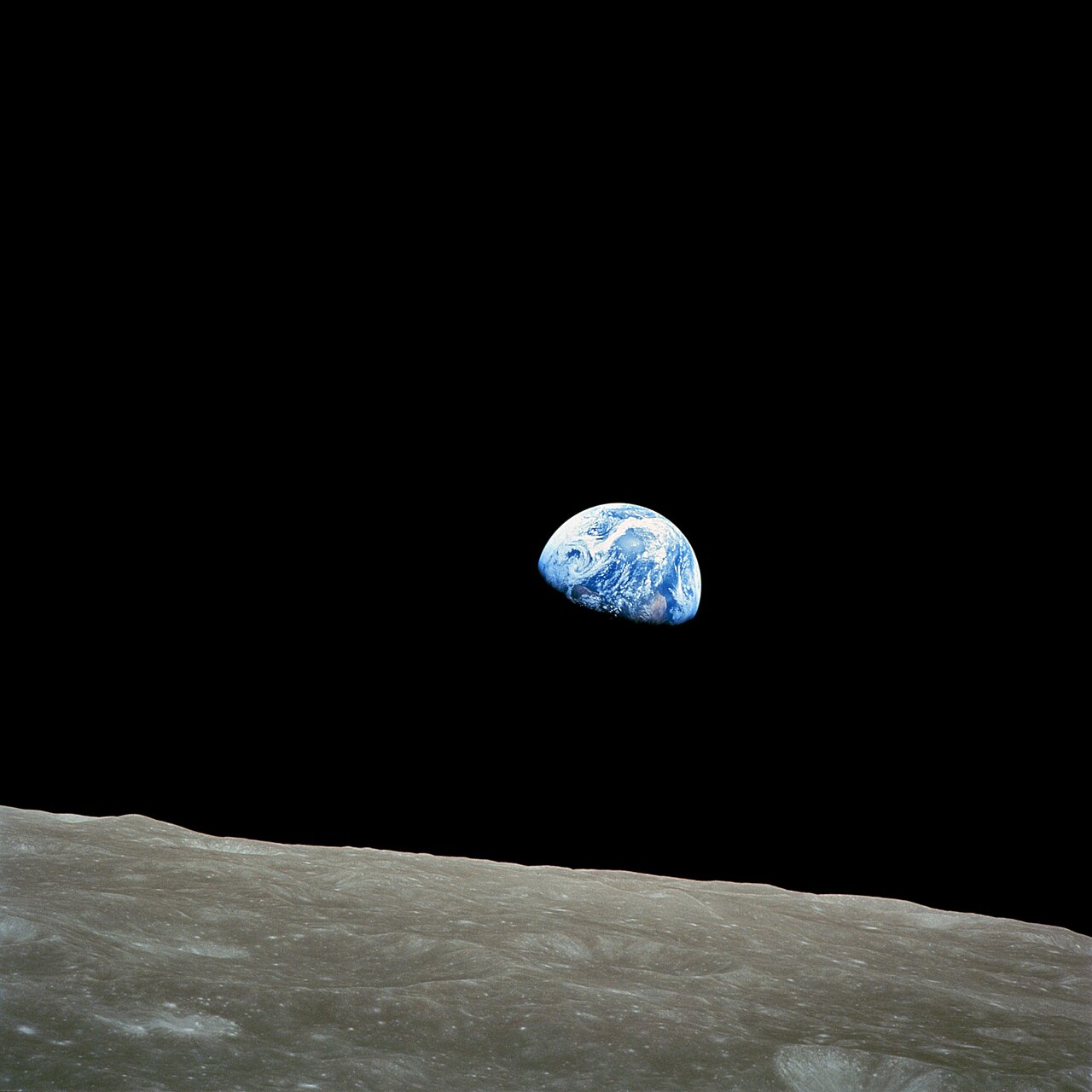
Background: Earthrise, Apollo 8 · Dec 24, 1968 · NASA
$93B
Program investment through 2025
252,760 mi
Human distance record — Artemis II
61
Nations in the Artemis Accords
5
Planned Artemis missions
The “Ignition” Restructure
NASA Administrator Jared Isaacman announced a sweeping shift in Artemis architecture on March 24, 2026. The Lunar Gateway station is effectively paused, and $20 billion over seven years is being reallocated to build a permanent surface Moon Base directly at the South Pole.
Gateway Status
Paused / Cancelled
Moon Base Budget
$20B over 7 years
Strategy
Direct surface landings
April 1–10, 2026
Artemis II: We Went Back
The first humans to fly a lunar trajectory in over 50 years. Four astronauts. Nine days. 252,760 miles.
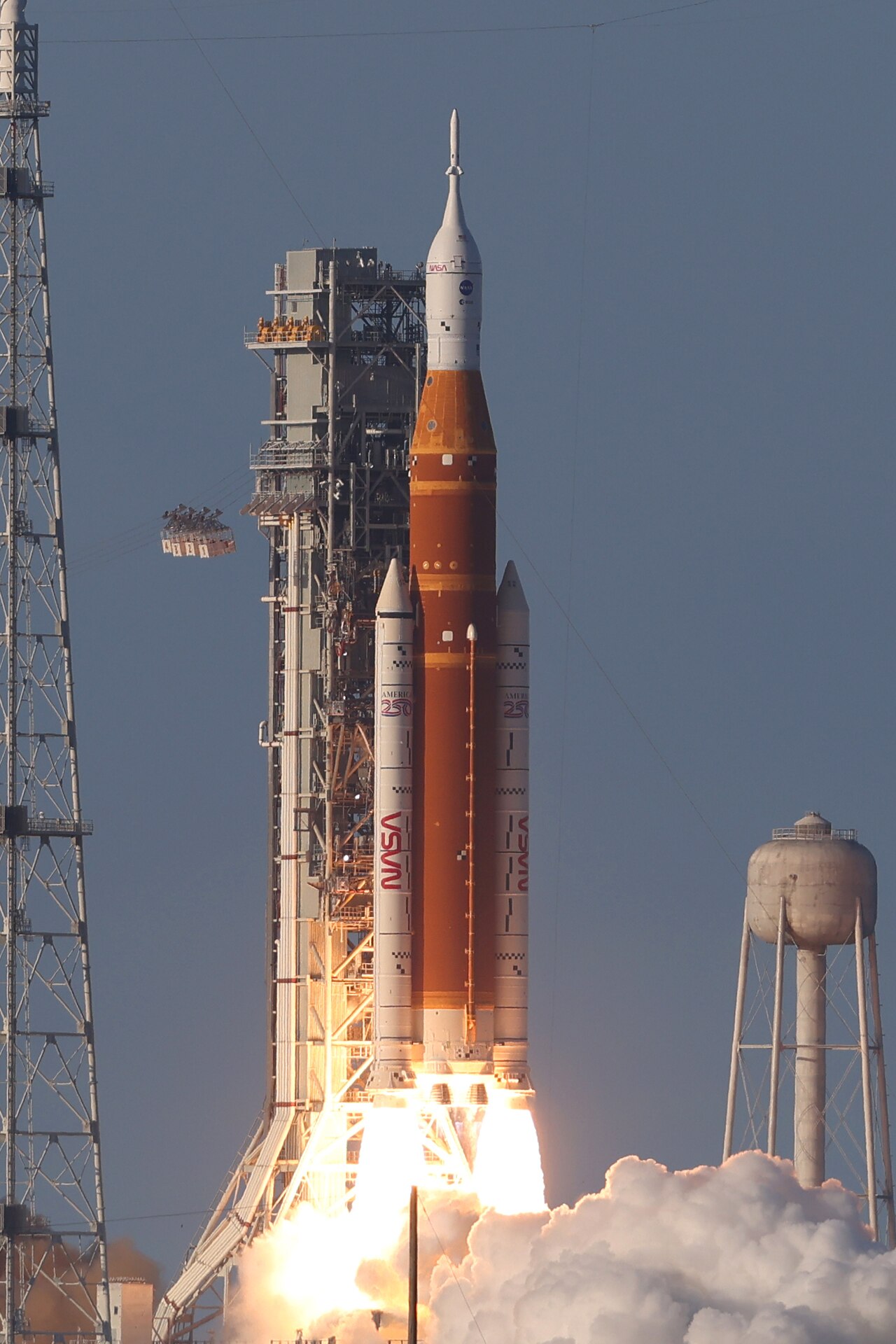
NASA / KSC · April 1, 2026
Artemis II Launch
Kennedy Space Center, Launch Complex 39B
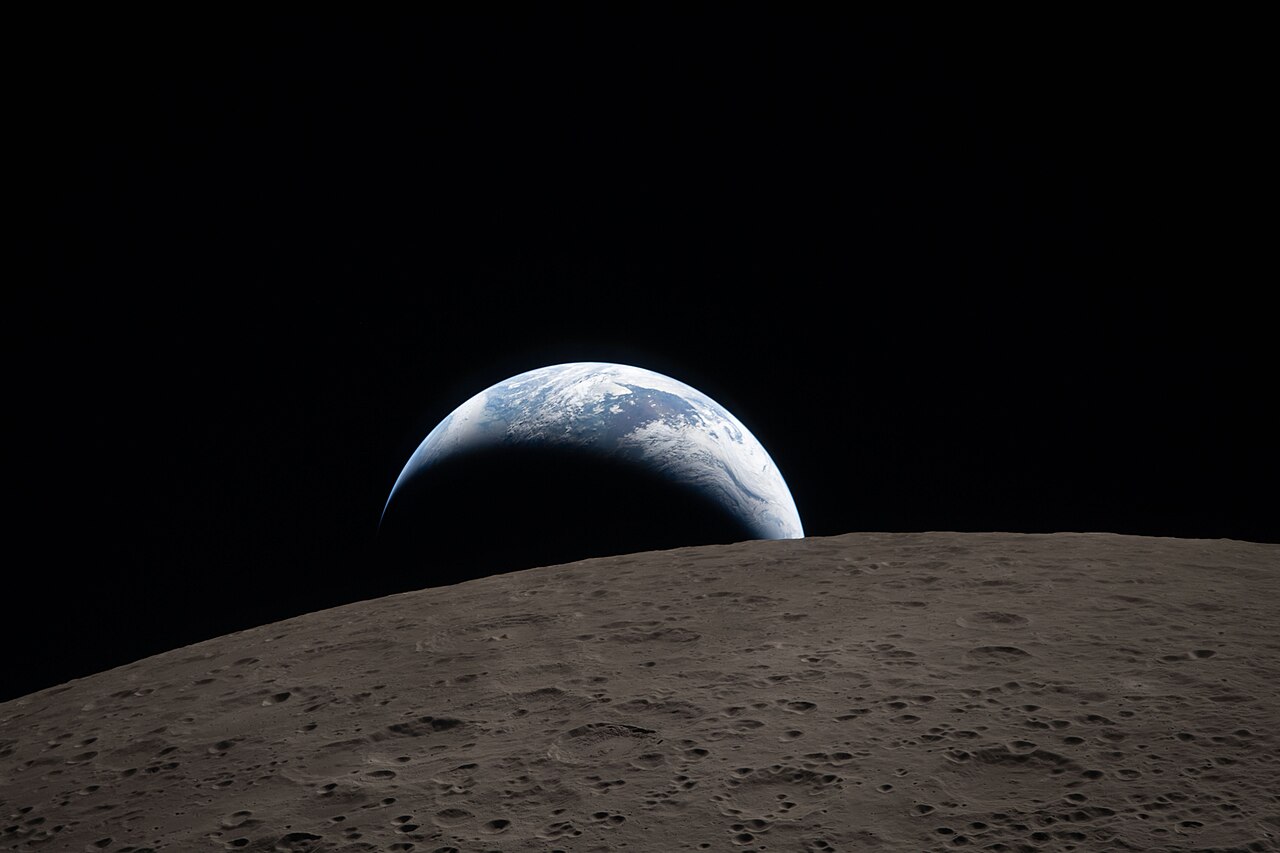
NASA · Orion Capsule · April 2026
Earthset from Orion
Earth setting below the lunar horizon — 252,000 miles away
In Their Words
Voices of Artemis II
The crew of Artemis II, in their own words, on what it meant to fly to the Moon.
“When you see Earth from a quarter million miles out — this small, impossibly beautiful thing alone in the dark — you feel the weight of every life on it.”
Reid Wiseman
Artemis II Commander
“Sixty-one nations signed the Artemis Accords. The world was watching. I didn't fly for Canada — I flew for all of us.”
Jeremy Hansen
Artemis II Mission Specialist (CSA)
“Nothing prepared me for watching Earth set below the lunar horizon on Artemis II. That view has no parallel.”
Christina Koch
Artemis II Mission Specialist
Explore the Program
Everything Artemis, one place
Dive deep into the five pillars of humanity's return to the Moon.