Artemis II
First Crewed Lunar Flyby in 53 Years
Four astronauts. Nine days. 252,760 miles from Earth. Humanity returned to the Moon — and broke every record doing it.
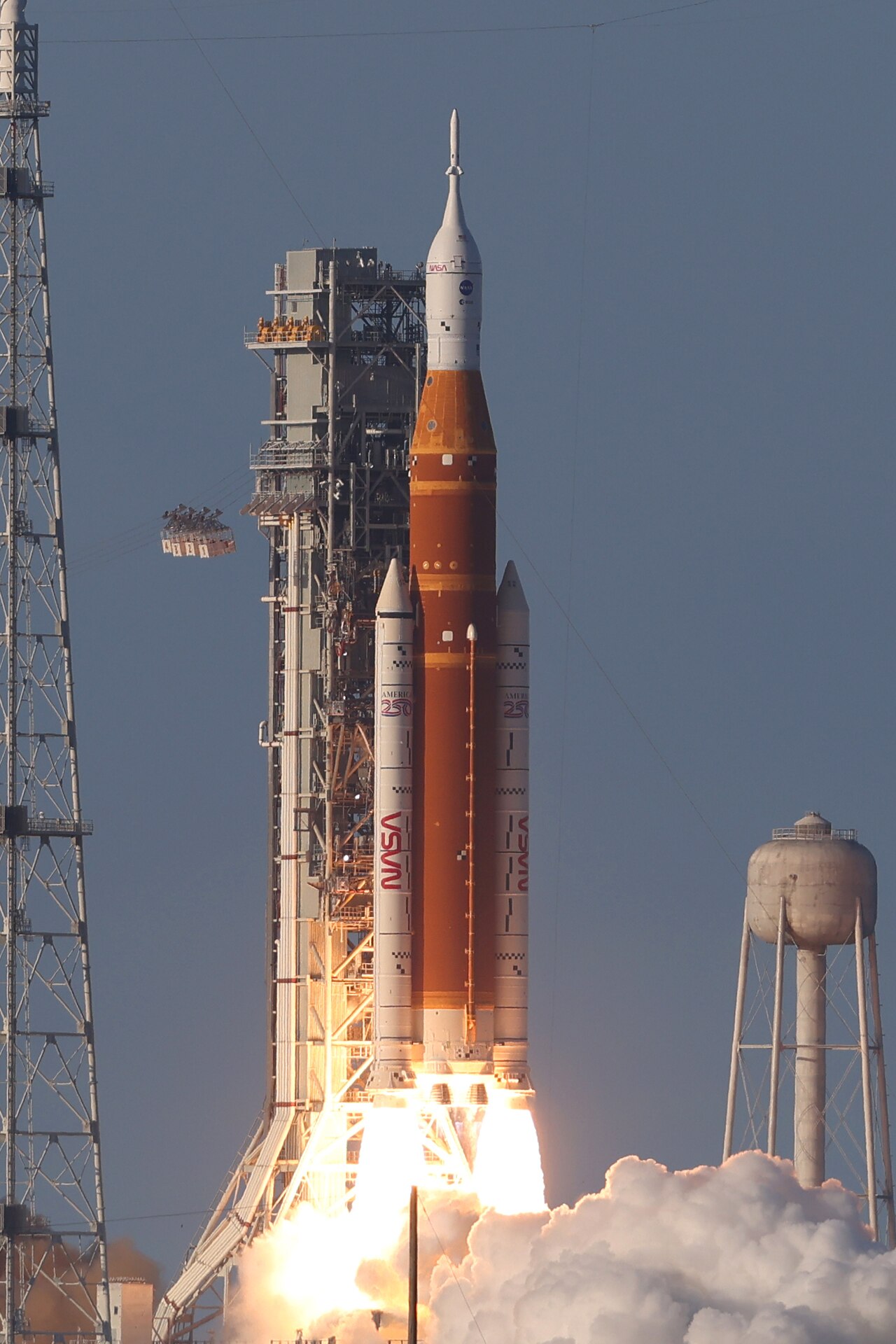
Background: Artemis II launch · NASA/KSC · April 1, 2026
Max distance from Earth
252,760 miles
Mission duration
9 days, 1 hr, 32 min
Closest lunar approach
4,067 miles
Launch
April 1, 2026
Splashdown
April 10, 2026
Eclipse duration
54 minutes (far side)
Crew size
4 astronauts
New craters named
2 — Integrity & Carol
The Crew
Four People Who Made History
The most diverse crew ever to fly beyond Earth orbit — representing a new era of human spaceflight.
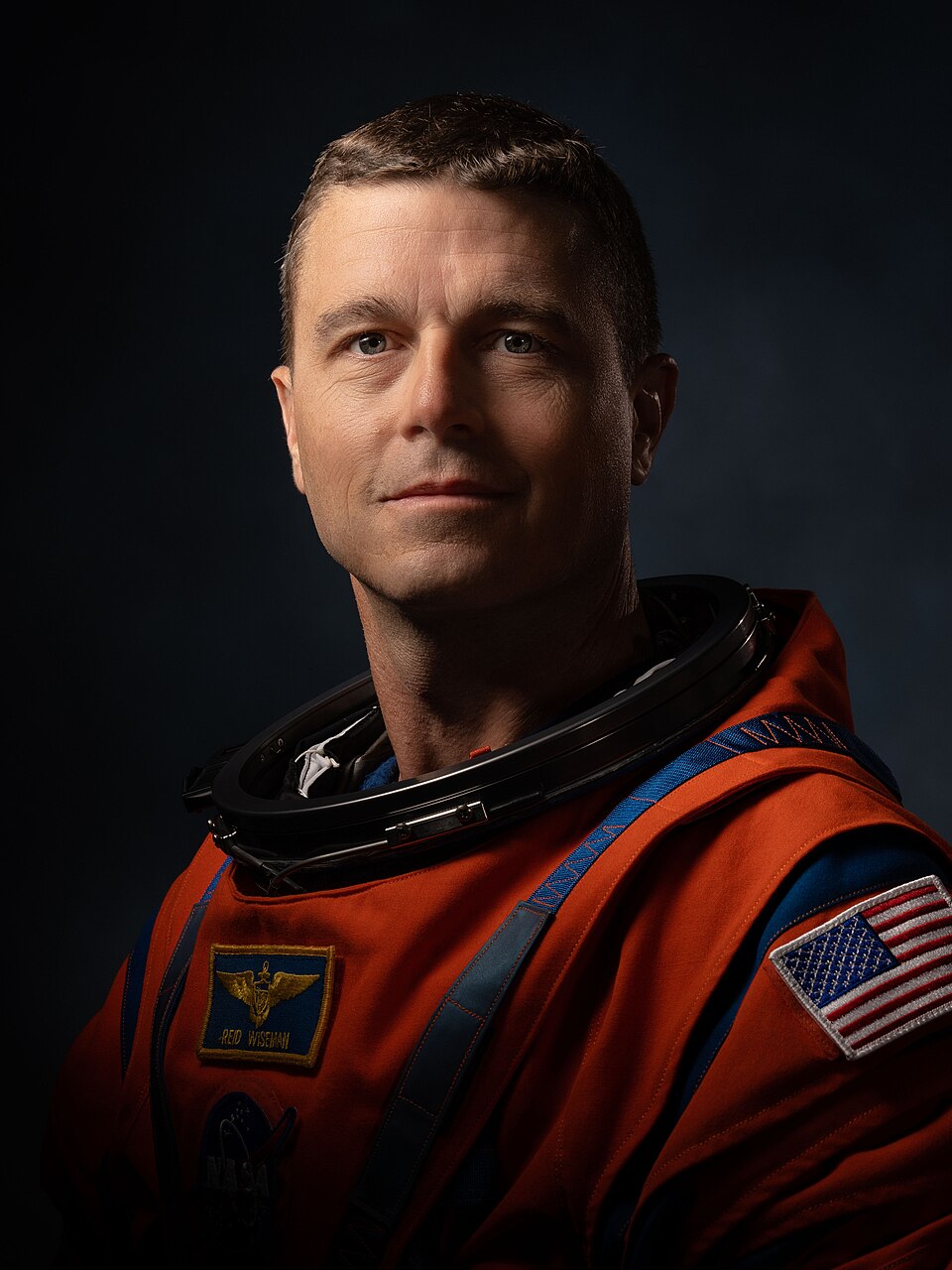
🇺🇸 Commander
Reid Wiseman
NASA astronaut. Veteran of a 166-day ISS mission (Expedition 41). Wiseman was selected as Artemis II commander for his deep-space expertise and leadership. He named one of the two newly discovered craters 'Carol' after his late wife.
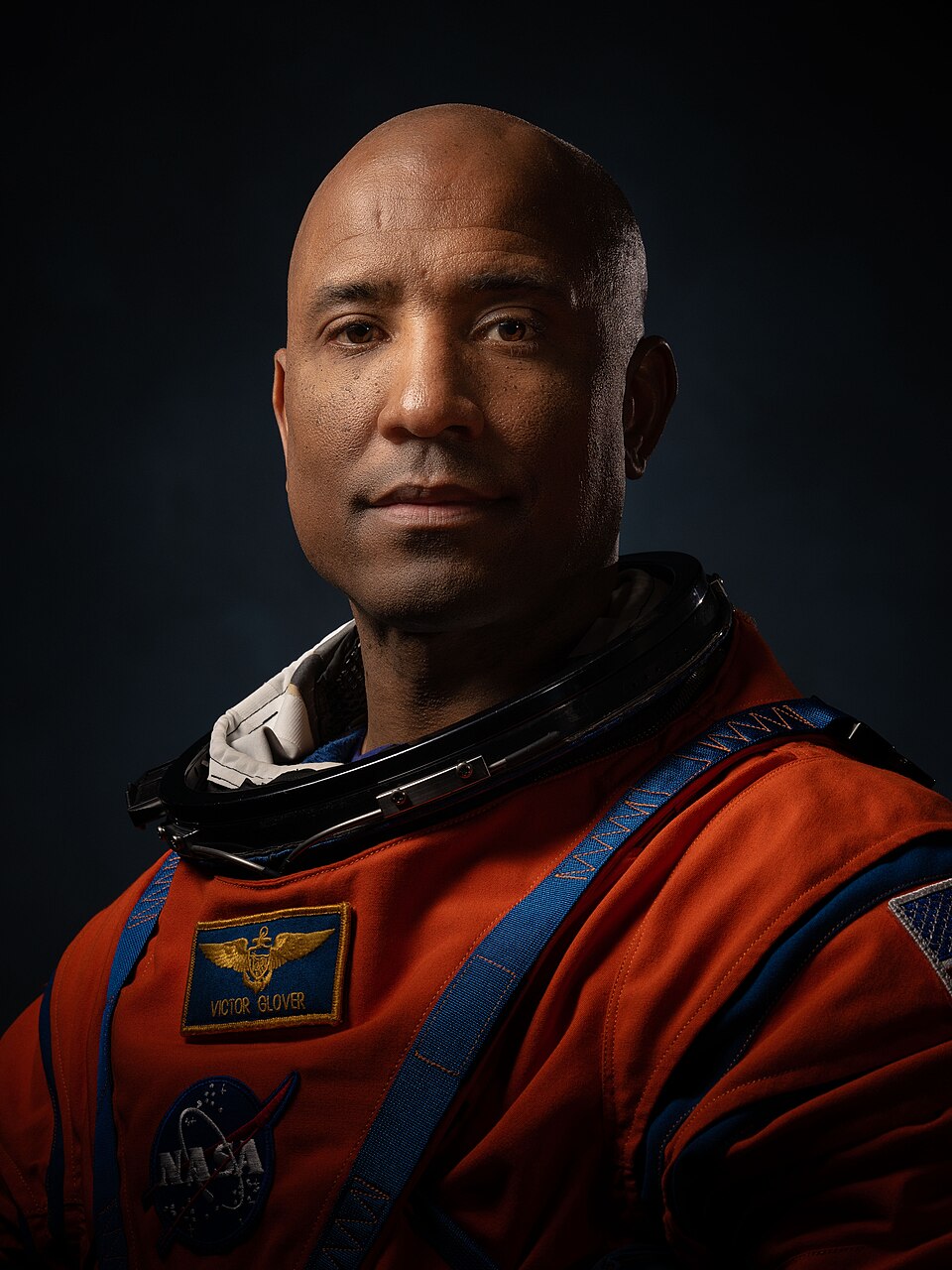
🇺🇸 Pilot
Victor Glover
NASA astronaut and U.S. Navy test pilot. Veteran of Crew Dragon Demo-2 and a 168-day ISS stay (Expedition 64). First Black astronaut to fly to the Moon — a historic milestone in the Artemis program's commitment to inclusion.
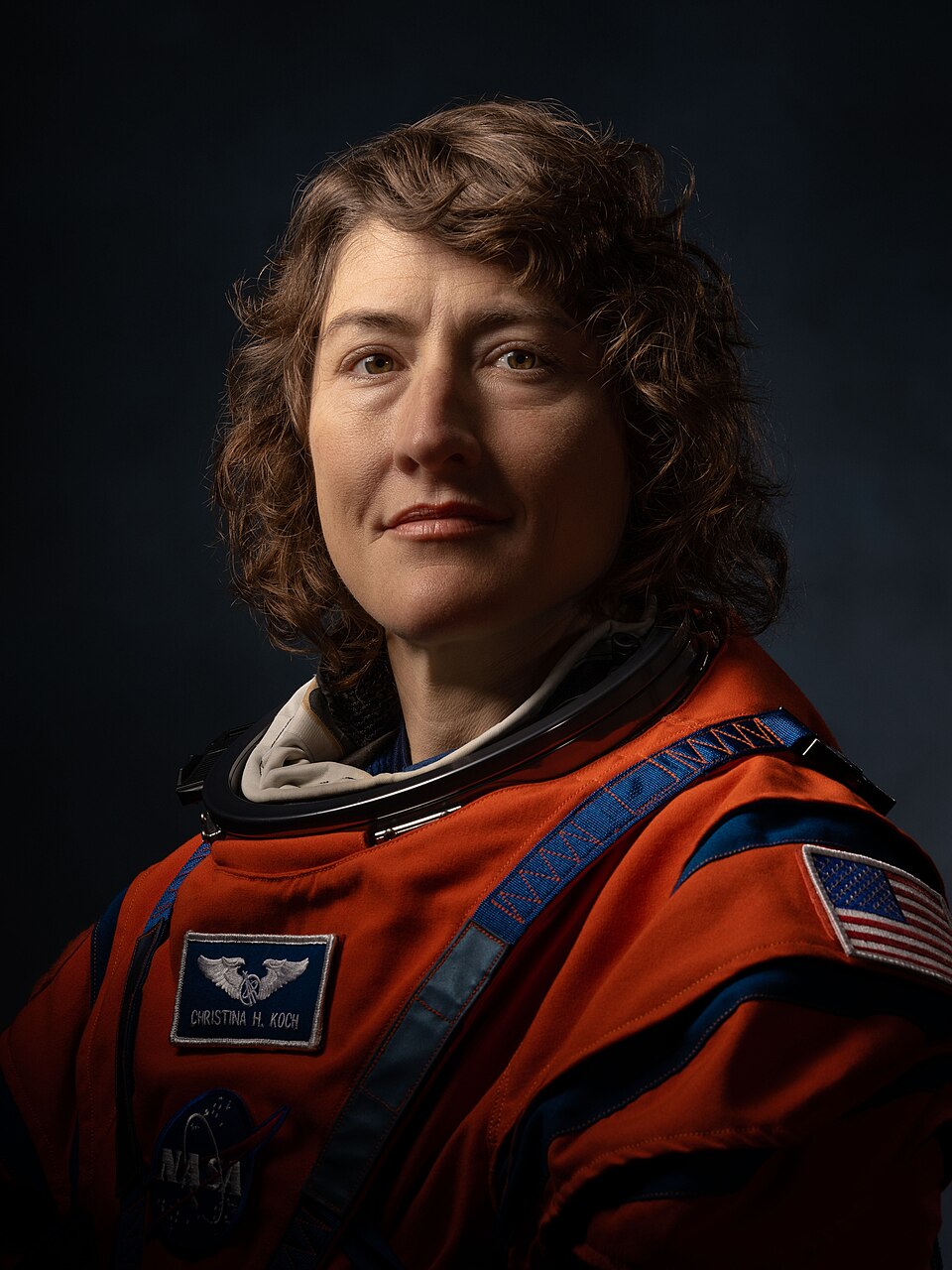
🇺🇸 Mission Specialist
Christina Koch
NASA astronaut. Holds the record for the longest single spaceflight by a woman (328 days, ISS, 2019–2020). First woman to fly beyond low Earth orbit in history. Her Artemis II flight is one of the defining milestones of the program.
🇨🇦 Mission Specialist
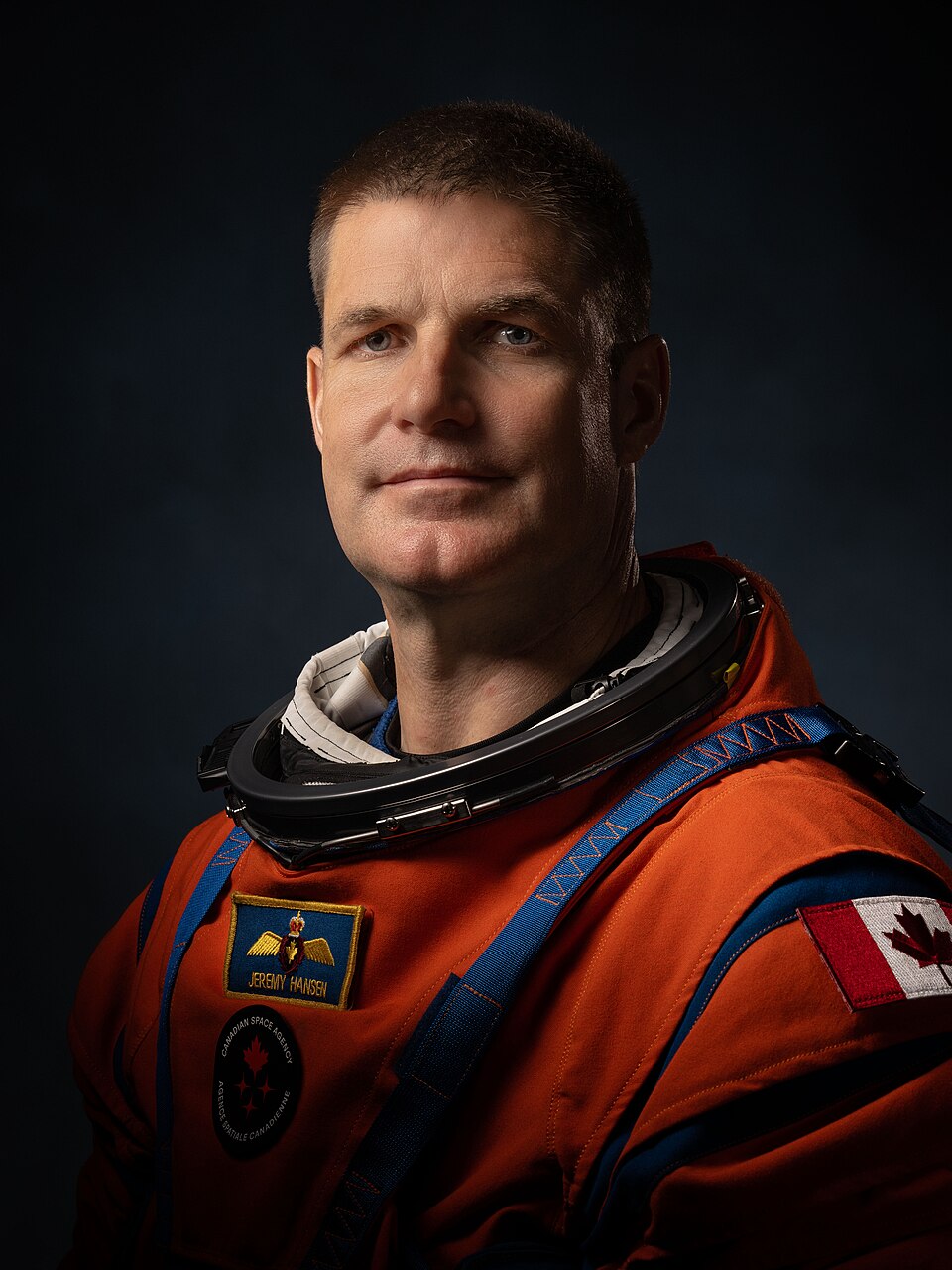
Jeremy Hansen
Canadian Space Agency astronaut and CF-18 fighter pilot. First non-American to fly on a lunar mission in history. His selection underscores the international character of the Artemis Accords and the alliance between NASA and CSA.
Day by Day
Mission Timeline
Nine days that changed spaceflight history.
NASA/KSC
April 1, 2026 — 06:15 UTC
Launch from LC-39B
SLS Block 1 lifts off from Kennedy Space Center in pre-dawn darkness. The Orion capsule — named 'Integrity' by the crew — separates cleanly and begins its trans-lunar trajectory. Four people are heading to the Moon for the first time since December 1972.
April 1, 2026 — T+2 hr
Trans-Lunar Injection
The ICPS upper stage fires for approximately 18 minutes, accelerating Orion to 24,500 mph — the speed needed to escape Earth orbit and reach the Moon. The crew confirm all systems and begin the 3-day outbound journey.
NASA
April 4, 2026
Lunar Closest Approach — 4,067 Miles
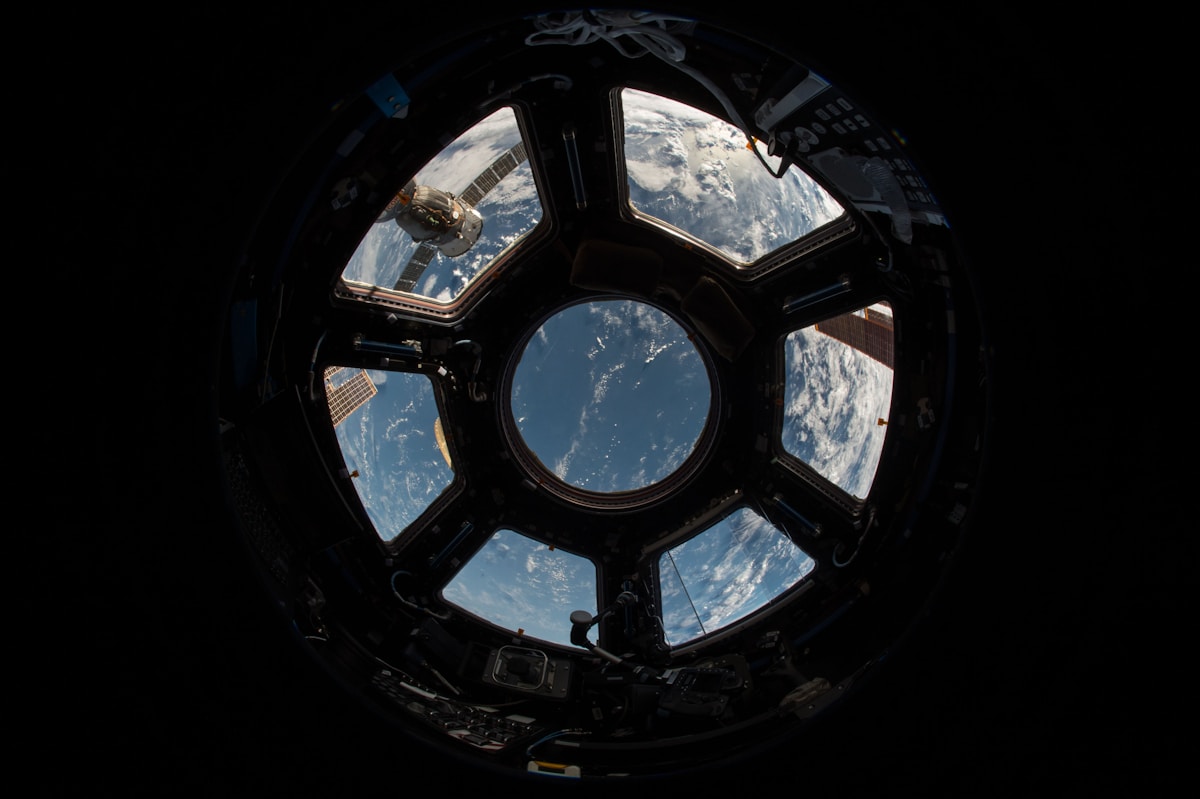
Orion passes within 4,067 miles of the Moon's surface — close enough that the lunar terrain fills the windows. The crew complete a powered flyby maneuver using the European Service Module main engine to set up the outbound trajectory to record distance.
April 5, 2026
54-Minute Solar Eclipse — Far Side of the Moon
As Orion swings around to the lunar far side, Earth moves directly between Orion and the Sun — creating a total solar eclipse lasting 54 minutes. No human had ever witnessed an eclipse from this vantage point. The crew described it as 'the most extraordinary thing any of us had ever seen.'
April 6, 2026
New Human Distance Record — 252,760 Miles
Orion reaches its maximum distance from Earth: 252,760 miles — surpassing the previous record from Artemis I (268,563 miles was uncrewed; the prior crewed record was Apollo 13 at 248,655 miles). This is the farthest any crew of humans has traveled from Earth in history.
April 7–9, 2026
Return Journey & Discoveries
On the return leg, the crew study two previously unnamed craters through Orion's optical navigation camera. They propose 'Integrity' (after their capsule) and 'Carol' (named by Commander Wiseman). The cislunar communications relay operates flawlessly throughout.
April 10, 2026
Reentry & Splashdown — 14-Minute Direct Return
Unlike Artemis I's skip entry, Orion uses a steeper 14-minute direct reentry trajectory to protect the redesigned heat shield. Splashdown occurs in the Pacific Ocean off the coast of San Diego. Recovery ship USS San Diego retrieves the capsule and crew within the hour.
Historic Milestones
Six Firsts
Artemis II set records that will stand in the history books.
First crewed lunar flyby since Apollo 17
December 1972 — a 53-year gap
Farthest crewed distance from Earth ever
252,760 miles — new human spaceflight record
First woman beyond low Earth orbit
Christina Koch, NASA
First non-American on a lunar mission
Jeremy Hansen, Canadian Space Agency
First total solar eclipse witnessed from lunar orbit
54-minute far-side eclipse, April 5, 2026
First craters named by an active crew in flight
'Integrity' and 'Carol' — proposed by the crew from Orion
252,760 miles
The new human record
On April 6, 2026, Orion Integrity reached its maximum distance from Earth — 252,760 miles — setting the new record for the farthest any crew of humans has ever traveled from our planet.
At that distance, Earth is smaller than a dime held at arm's length. A radio signal takes 1.35 seconds each way. The Moon is a rocky sphere 4,067 miles below. And four humans from Earth look back at everything they have ever known — a pale blue dot in the black.
In Their Words
Voices of Artemis II
“When you see Earth from a quarter million miles out — this small, impossibly beautiful thing alone in the dark — you feel the weight of every life on it.”
Reid Wiseman
Artemis II Commander
“Sixty-one nations signed the Artemis Accords. The world was watching. I didn't fly for Canada — I flew for all of us.”
Jeremy Hansen
Mission Specialist (CSA)
“Nothing prepared me for watching Earth set below the lunar horizon. That view has no parallel.”
Christina Koch
Mission Specialist
“We proved the system. We proved the crew. Now we go back to land.”
Victor Glover
Pilot