SLS · Orion · HLS
The Hardware
Three categories of spacecraft working in concert to carry humans from Earth's surface to the lunar South Pole and back.
Mission Architecture
Launch, Travel, and Land
SLS launches. Orion carries the crew to the Moon. The HLS lands them on the surface.
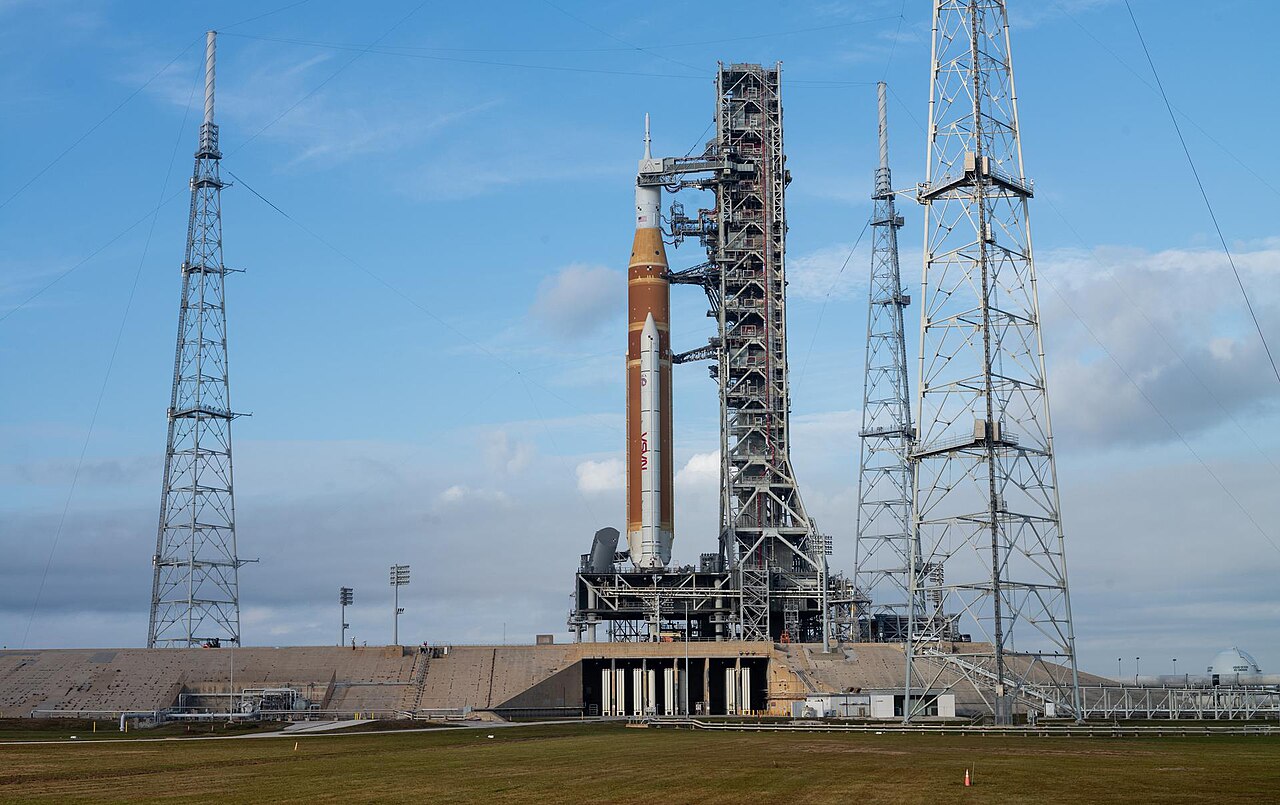
NASA / Artemis II Preflight, Jan 2026
Space Launch System
Super Heavy-Lift Launch Vehicle
NASA's most powerful operational rocket, the SLS generates more thrust at liftoff than the legendary Saturn V. Each SLS core stage is powered by four RS-25 engines — refurbished shuttle engines flying a new mission — paired with two five-segment solid rocket boosters that together produce 8.8 million pounds of thrust.
Specifications
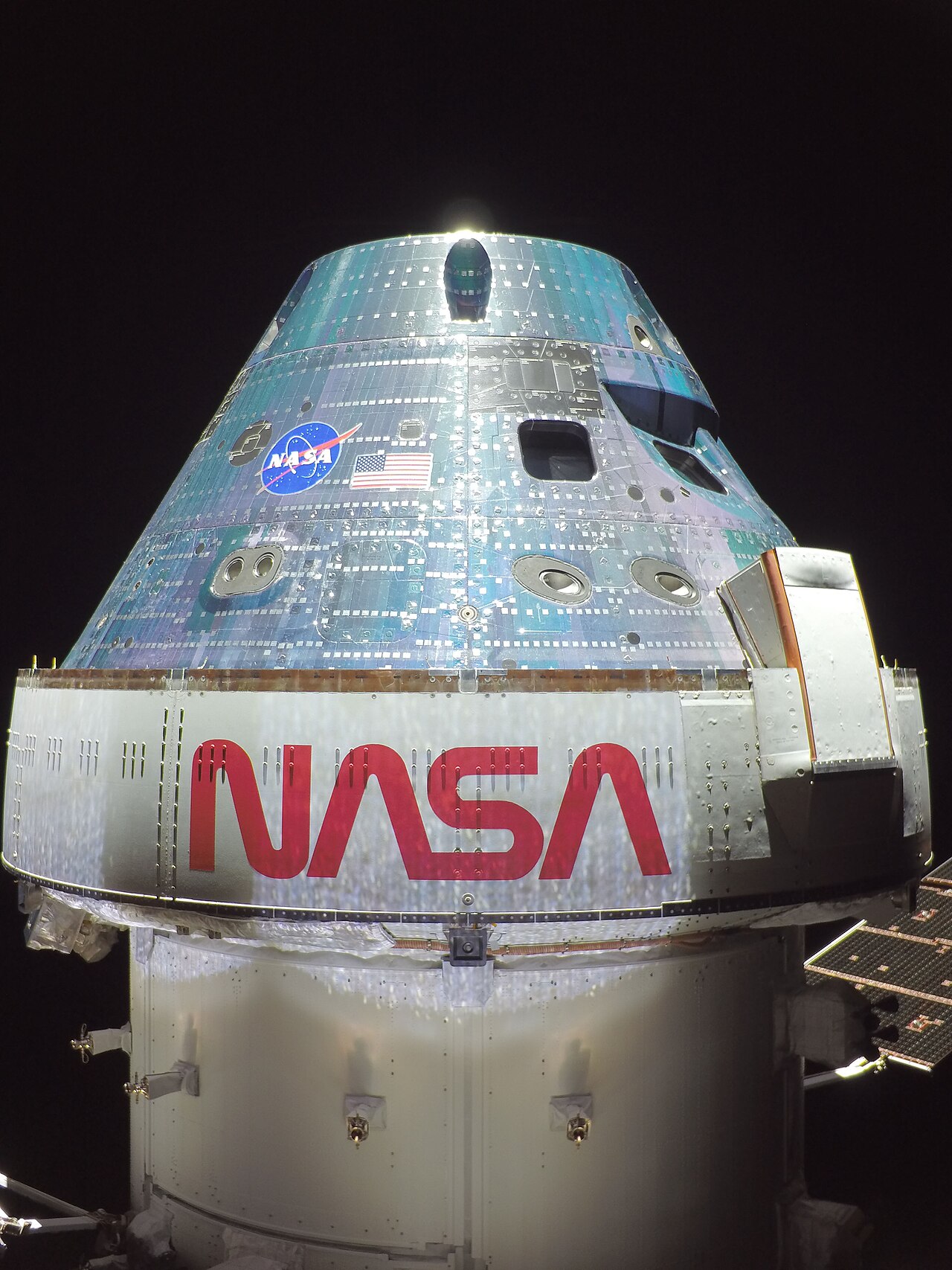
NASA / Orion External Inspection, Artemis I
Orion Spacecraft
Primary Deep-Space Crew Vehicle
Designed to carry four astronauts to deep space and back, Orion is the most capable crewed spacecraft ever built for beyond-LEO missions. Its European Service Module provides propulsion, power, water, and air for the journey. The Artemis II crew named their Orion capsule "Integrity."
Specifications
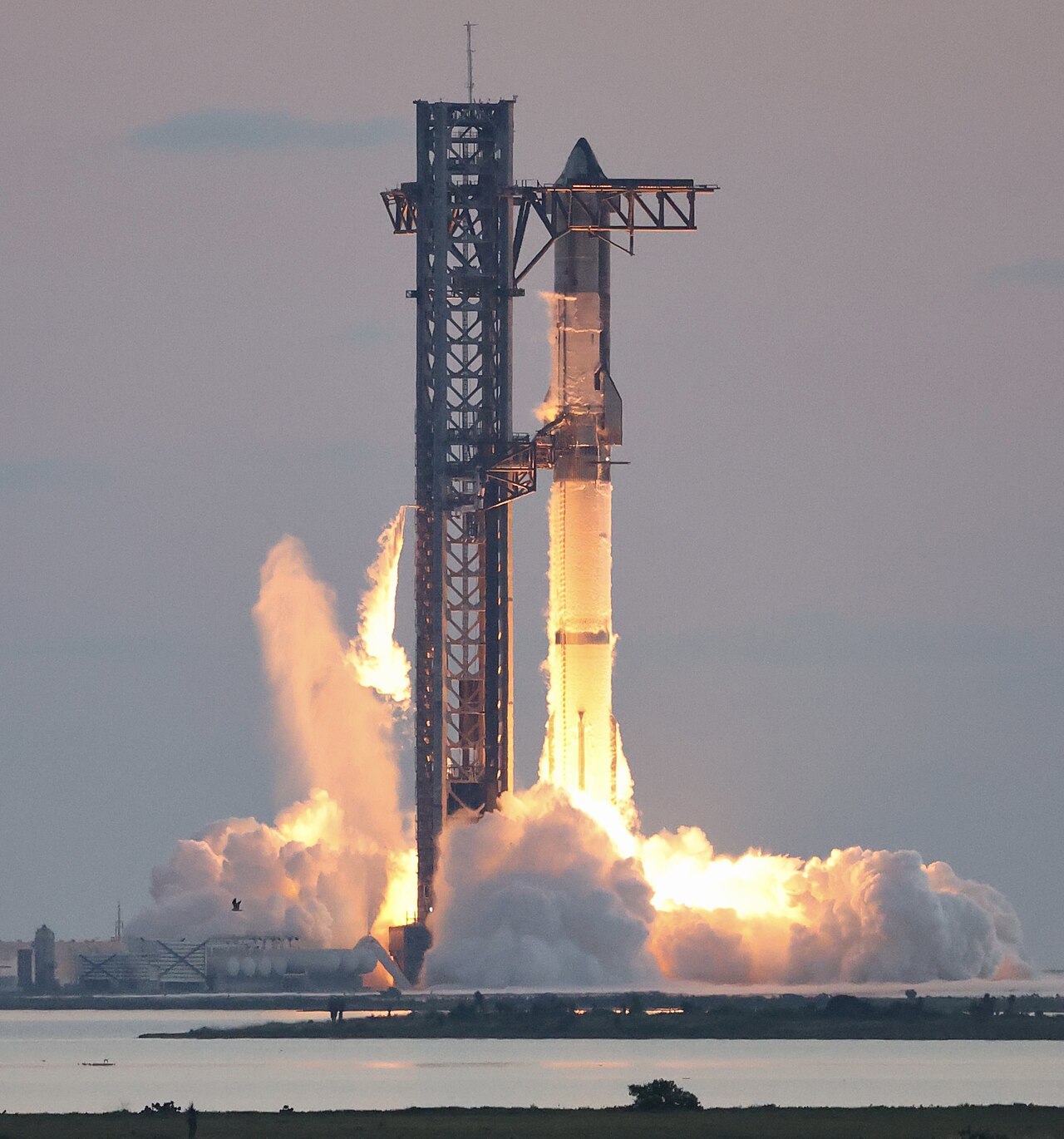
SpaceX / IFT-5 Starship Ignition
Human Landing System
Commercial Lunar Landers
To land on the Moon, astronauts transfer from Orion into commercially developed landers in lunar orbit. NASA contracted two competing providers — SpaceX and Blue Origin — to ensure redundancy and cost competition, marking the first time commercial partners will deliver astronauts to another world.
Specifications
Mission Architecture
How They Work Together
01
Launch from Earth
SLS Block 1 ignites with 8.8 million pounds of thrust, carrying the Orion spacecraft and crew on a trans-lunar injection trajectory.
02
Lunar Transit
Orion sustains four astronauts for up to 21 days undocked. The European Service Module provides propulsion, power, water, and air for the journey.
03
Land on the Moon
In lunar orbit, crew transfers to SpaceX Starship HLS or Blue Origin Blue Moon, descends to the South Pole, and returns to Orion for the trip home.